
A featured contribution from Leadership Perspectives: a curated forum reserved for leaders nominated by our subscribers and vetted by the Construction Tech Review Advisory Board.

Volvo Group
Understanding AI's Impact on Work, Equity, and Enterprise Responsibility
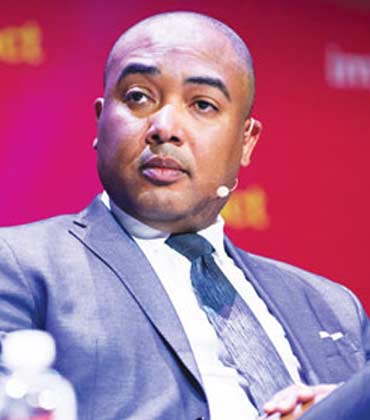
AI adoption is reshaping not only business operations but also the future of work itself, evolving from a specialized tool to a routine part of workflows that streamlines processes and automates tasks. The latest statistics indicate that now, over half of large organizations worldwide use digital technology in some form or other. However, for leaders, this is not just about "how" to use AI, but rather the real question is: "How much good does it do for the people?" For those inside and around these systems,
This article examines the structural changes brought about by AI in employment, the division that affects both men and women and also explores what leading figures can do to create fair, future-ready workplaces.
AI can help organizations accomplish t`asks more efficiently with fewer staff, potentially leading to increased productivity. But for employees, it often means fewer long-term stable opportunities and more short-term, contract, or freelance roles. Many tasks that could only be done by full teams have now been transferred to software and on-demand talent.
In a world like this, job seekers are under pressure to show AI skills, where candidates are overestimating their ability to use artificial intelligence on resumes, an indication of how competitive and AI-driven hiring has become.
AI is not neutral in its impact on jobs. Across high-income countries, for example, women are nearly three times more likely than men to hold roles at risk from AI, such as administrative, scheduling, and clerical work, according to figures from the International Labour Organization.
But all the while, global and gender inequities persist, with women earning 11% less than men and being saddled with more of the burden of unpaid labor. If AI pushes aside many of the jobs that women do, and there is no route for them to take on any new sort of work, then this gap will grow.
What can leaders do?
Non-profit leaders can play a crucial role in guiding AI in a direction that prioritizes inclusion over exclusion. This is not simply a matter of strategic adoption; it requires fundamental changes in how we think about work, people, and what gets valued. From the very start, leaders must pinpoint which jobs will be most affected by automation and then look for creative ways to help employees make the transition to positions that are now more reliant on human intelligence faculties, such as analysis and judgment. After all, instead of using AI absolutely as a means for saving costs, companies need to turn their focus towards employing people: they take workers off dead-end tasks so that they can spend their time meaningfully and strategically.
This includes every freelancing AI system builder or footloose programmer who scribbles code for a living. A level playing field, personal safety, and opportunities for study should be the norm--not a rare occurrence. In addressing inequality, it is also essential to actively support women, as they are more likely to work in occupations that are automated or threatened. Helping women acquire new skills, providing them with jobs that future trends are impossible to predict, and developing adaptation strategies that support them must now be taken onto this same board. Testing algorithms for bias and redressing any that are found to be biased is also essential.
AI is more than just another resource to boost efficiency; it's a paradigm change for the world of work
At the same time, fostering transparency: employees who understand how AI is to be used and can comment on it are necessary prerequisites. After all, it is ultimately up to industry leaders to use their influence to uphold responsible AI practices and fair data usage standards, as well as ethical labor sourcing, in order to improve industry-wide accords. The real leadership challenge of AI today is not to control technology but to harness it aln lengthen human dignity. AI is more than just another resource to boost efficiency; it's a paradigm change for the world of work.
If well handled, AI will be a new resource for high productivity that is harmonized with respect, fairness, and the development of skills at work. Now, it is time to make the decisions that will usher in tomorrow's workforce.

